Sunday, August 25, 2013

The Art of Resurrection

Resurrection, Raffaellino del Garbo (1510)


In the world outside of Christianity, horror, and science fiction, the dead cannot be brought back to life. Or can they? A feature in the The Observer from earlier this year profiled Dr. Sam Parnia, critical care physician and author of Erasing Death: The Science That Is Rewriting the Boundaries Between Life and Death (called The Lazarus Effect in the UK). The article begins in a dramatic fashion:

Sam Parnia – the man who could bring you back from the dead

Sam Parnia MD has a highly sought after medical speciality: resurrection. His patients can be dead for several hours before they are restored to their former selves, with decades of life ahead of them.

That's a pretty outrageous claim! Clinically dead for several hours? No brain activity the entire time? Even if anyone could emerge alive and conscious from such a state (unless it's a state of suspended animation, perhaps), they'd have severe brain damage (as we'll see below). There'd be no way they could have encoded their near-death experiences (NDEs), much less remembered any light at the end of a tunnel or a soothing presence drawing them home.

There may be a semantic problem here: the definition of “death.”

I haven't read the book, but the issue is described in a one-star review at Amazon:
The core of this linguistic mess is his inconsistent use of the word "death". At times he uses this term properly, as defined by the Uniform Determination of Death Act (UDDA, 1981): "An individual who has sustained either (1) irreversible cessation of circulatory and respiratory functions, or (2) irreversible cessation of all functions of the entire brain, including the brain stem is dead." This definition was developed in cooperation with the American Medical Association ... [etc.] and has been adopted by most states. It is the standard definition of death. [NOTE: I thought brain death is THE standard definition of death.] 1

Unfortunately, he also refers to "death" as cardiac arrest (e.g. pages 1, 2, 23, 42, 43, 128, 131, 139, 140, and many more). This definition of death is inconsistent with the UDDA because cardiac arrest is reversible in some cases. In fact, much of this book includes accounts of individuals who have suffered cardiac arrest and been resuscitated...

Dr. Parnia was quoted in my previous post about the “End of Life Gamma Waves” study in rats. He was skeptical that EEG during the 30 second interval after the heart stopped beating was anything more than a massive influx of calcium into the dying neurons. It wasn't a state of heightened consciousness that can explain the NDEs reported by 10-20% of his cardiac arrest patients.

Instead, Parnia is a mind-body dualist, believing that the soul (or self) can persist separately from the body for several hours at a time:
"It seems that when consciousness shuts down in death, psyche, or soul – by which I don't mean ghosts, I mean your individual self – persists for a least those hours before you are resuscitated. From which we might justifiably begin to conclude that the brain is acting as an intermediary to manifest your idea of soul or self but it may not be the source or originator of it… I think that the evidence is beginning to suggest that we should keep open our minds to the possibility that memory, while obviously a scientific entity of some kind – I'm not saying it is magic or anything like that – is not neuronal."

Memory is not neuronal! And Death can be cured. Who knew. But how?? [NOTE: according to Parnia and The Observer, at least.]

Extracorporeal membrane oxygenation (ECMO) is a temporary method of life support that introduces and circulates oxygen into the bloodstream of patients with acute respiratory failure or cardiac failure. It involves placing one or more large catheters into the patient's vessels (cannulation) and relies on an external pump to circulate and oxygenate blood and remove carbon dioxide (PDF). Primarily used in critically ill infants, its application to adults is risky and controversial, and the benefits are unclear.

A meta-analysis of ECMO in adult patients found a mortality rate of 54% at 30 day follow-up, with almost half the fatalities occurring during ECMO (Zangrillo et al., 2013). On the other hand, the procedure is a last-ditch life saving effort in critically ill patients, so a 46% survival rate seems like an improvement over probable death. However, one review stated that "Credible evidence for mortality benefit of ECMO is lacking" in cases of acute respiratory distress (Hirshberg et al, 2013). Another study concluded that ECMO is even less successful in cases of acute heart failure, with the worst survival rate for those who experience cardiac arrest (Tsuneyoshi & Rao, 2012).

Complications can be severe (Zangrillo et al., 2013) and include renal failure (occurring in 52%), bacterial pneumonia (33%), bleeding (33%), oxygenator dysfunction requiring replacement (29%), sepsis (26%), and liver dysfunction (16%).

The rest of the post will focus on the possible neurological complications of ECMO (Mateen et al., 2011).


Neurological Injury Associated with Heroic Resuscitation

I do not want to detract in any way from the dedication of practioners who do heroic things every day to save people's lives, or from advances in medicine. What I would like to point out, however, is that sometimes one may resuscitate the heart but lose the brain (to paraphrase Horstman et al., 2010).
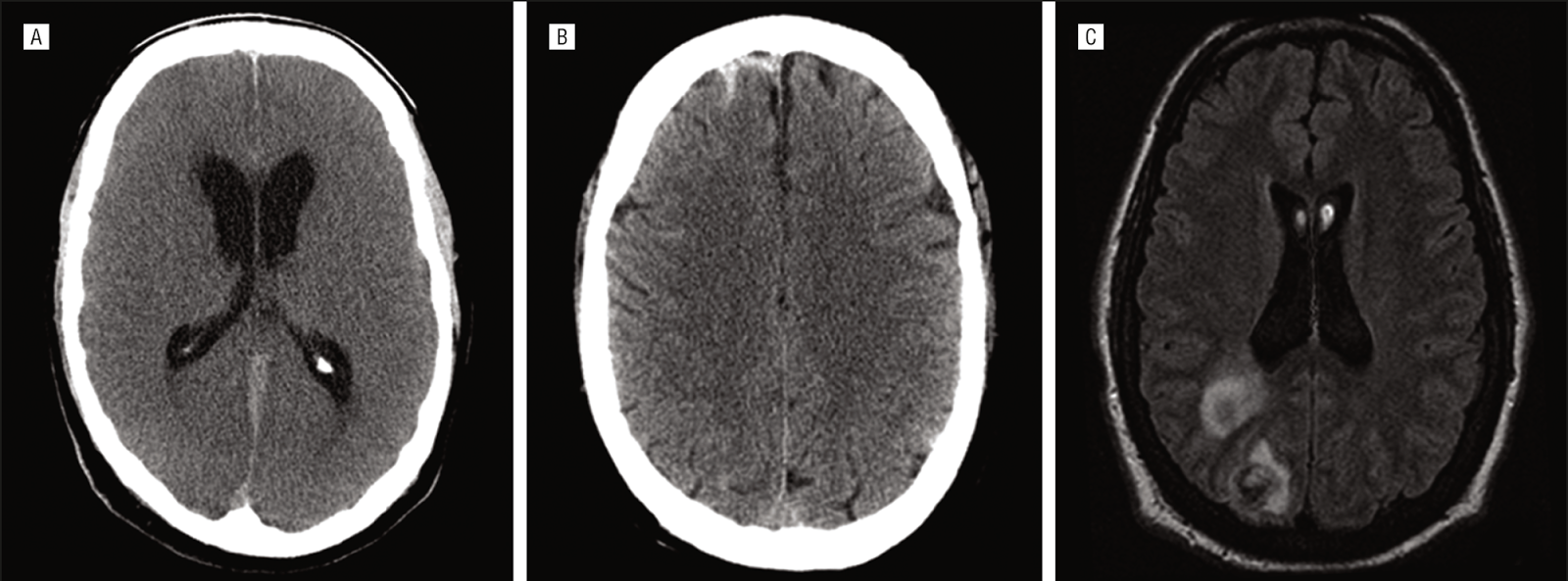

Modified from Fig. 4 (Mateen et al., 2011). Brain scans of adult patients who received extracorporeal membrane oxygenation (ECMO). (A) parafalcine subarachnoid hemorrhage and hydrocephalus on axial-view head CT, (B) diffuse subarachnoid hemorrhage on T1-weighted MRI, and (C) septic cerebral emboli on axial-view MRI.


Neurological events occurred in at least 50% (n=42) of patients treated with ECMO at one medical center over an 8 year period (Mateen et al., 2011). This is a conservative estimate, because a neurological exam was not performed in 21%, and over 70% did not have neuroimaging. Clinical presentation included new onset of coma and new loss of brainstem reflexes. Diffuse brain injury due to lack of oxygen (anoxia), global brain dysfuction (encephalopathy), subarachnoid hemorrhage (bleeds), and ischemic watershed infarction (stroke) were among the diagnoses. Of the 24 patients with brain scans, the findings were pathologically abnormal in 15 (see examples in figure above).

Autopsy was performed on 10 brains (out of 40 patients who died). Nine of these brains showed gross abnormalities (see examples in figure below).


Modified from Fig. 4 (Mateen et al., 2011). (F) diffuse petechial hemorrhages [tiny red spots], (G) subarachnoid hemorrhage, and (H) massive intraventricular hemorrhage on gross pathological examination.


Brain sections stained for microscopic examination showed abnormalities in areas vulnerability to anoxia, including hippocampal pyramidal cells (the CA1 field) and cerebellar Purkinje cells. The hippocampus is a structure located in the medial temporal lobes that is critical for memory. Even mild hypoxia due to cardiac arrest (30 sec to 7 min until initiation of CPR) can lead to memory impairments. The residual cognitive deficits seen in post-cardiac arrest patients comatose for >24 hours have been well-characterized (Lim et al., 2004).

A group of 12 cardiac arrest survivors (not treated with ECMO) underwent MRI scans and neuropsychological testing (Horstman et al., 2010). Compared to controls, abnormalities in gray matter density were observed in regions important for memory and "drive" (subjectively rated motivation). ECMO is of course meant to preserve functioning of the brain and cardiopulmonary system, but I don't see how that's possible if the patient is "dead" for several hours.

Disclaimer: I am not a medical professional, and this post is not to be taken as medical advice.


Footnote

1 Actually, the definition of brain death is not entirely straightforward, either (Bacigalupo et al., 2007; Laureys, 2005).


References

Hirshberg E, Miller RR 3rd, Morris AH. (2013). Extracorporeal membrane oxygenation in adults with acute respiratory distress syndrome. Curr Opin Crit Care 19:38-43.

Horstmann A, Frisch S, Jentzsch RT, Müller K, Villringer A, & Schroeter ML (2010). Resuscitating the heart but losing the brain: brain atrophy in the aftermath of cardiac arrest. Neurology, 74 (4), 306-12 PMID: 20101036

Lim C, Alexander MP, LaFleche G, Schnyer DM, Verfaellie M. (2004). The neurological and cognitive sequelae of cardiac arrest. Neurology 63:1774-8.

Mateen FJ, Muralidharan R, Shinohara RT, Parisi JE, Schears GJ, & Wijdicks EF (2011). Neurological injury in adults treated with extracorporeal membrane oxygenation. Archives of Neurology, 68 (12), 1543-9. PMID: 21825216

Tsuneyoshi H, Rao V. (2012). The role of extracorporeal membrane oxygenation (ECMO) therapy in acute heart failure. Int Anesthesiol Clin. 50:114-22.

Zangrillo A, Landoni G, Biondi-Zoccai G, Greco M, Greco T, Frati G, Patroniti N, Antonelli M, Pesenti A, Pappalardo F. (2013). A meta-analysis of complications and mortality of extracorporeal membrane oxygenation. Crit Care Resusc. 15:172-8.


photo: Tanya Kozak

Thursday, August 15, 2013

End of Life Gamma Waves: Altered State of Consciousness or Artifactual Brain Activity?

"I had been in labor for my daughter for 16 hours. The labor was difficult and the Dr. approached me and told me it may come down to a choice between the child or myself.  ...  The labor dragged on and on and finally they came in and broke my water. I was rushed into delivery and within minutes my heart had stopped. I remember seeing a beautiful being of light enter the room. She told me I had to return as it was not my time yet. I was sucked back into my body as they restarted my breathing. My daughter began crying the moment I opened my eyes."

-Description of a near-death experience
1

Are you afraid to die? We all are. Fear of pain and suffering, fear of the unknown, fear of eternal damnation (for the religious), fear of nothingness (for the atheist). Fear of the end. The finality of it all.

The existential fear of death is part of the human condition. For a neuroscientist, studying what happens to conscious thought during the brain's own demise is one of the most profound of all questions. Short of conducting ill-advised scifi experiments on your med school classmates, how does one go about studying such a phenomenon? By using an animal model of cardiac arrest.


thanks to Chris Chambers for the video idea


Surge of neurophysiological coherence and connectivity in the dying brain

A popular new study by Borjigin et al. (2013) recorded EEG activity directly from the brains of nine dying rats. This paper was widely reported in mainstream media outlets, and has been nicely covered by bloggers Ed Yong, Mark Stokes, Chris Chambers, and Shelly Fan. What I would like to do here is to more closely examine the conditions surrounding the clinical death of these rats.


Fig. 1A (modified from Borjigin et al., 2013). The time scale is in seconds.The y-axis is in microvolts.


The figure above shows brain waves recorded from six electrodes implanted on the cerebral cortex, along with electrical activity from the muscles (EMG) and heart (EKG). The time period is 80 minutes before and 20 minutes after cardiac arrest (at time zero), which was induced by injection of potassium chloride into the heart. On its own, potassium chloride would cause a very painful death. Along with anesthetic and paralytic agents, potassium chloride is part of the drug sequence used for lethal injection in some U.S. states.

In the present study, the animals were deeply anesthetized using ketamine (a dissociative anesthetic) and xylazine (veterinary sedative/analgesic which affects alpha-2 adrenergic receptors), a commonly used method of anesthesia in rodents. Fig. 1A shows that the animals were anesthetized for 30 min before cardiac arrest. The EEG exhibits fairly constant large amplitude activity during this time, shown spread out for a small interval of time in Fig. 1B below.


Fig. 1B (modified from Borjigin et al., 2013). The time scale is in seconds. CAS =  cardiac arrest state. CAS3 (from 12 sec to 30 sec after cardiac arrest) is the critical time of increased EEG activity.


To briefly summarize, the rats' brains were surprisingly active during the CAS3 period, showing highly coherent neural oscillations in the low gamma frequency band for a 20 sec interval after the heart and lungs stopped working.

Fig. 1C below expands the vertical gray bars in Fig. 1B to show greater detail. Of note is the high amplitude rhythmic oscillations during CAS3. This low gamma activity (35-55 Hz) was strongly coupled to EEG activity in other frequency bands (theta and alpha) -- to an even greater extent than during active waking. The authors viewed this as a state of heightened consciousness, but such speculation is premature.


- click on image for a larger view -


Fig. 1C (modified from Borjigin et al., 2013). CAS = cardiac arrest state.


Why would the authors maintain that a dying brain can generate the neural correlates of heightened conscious processing? Gamma (aka 40 Hz activity) has been viewed as a possible solution to the "binding problem" of how consciousness arises since the late 80s. In the visual system, synchronous gamma might be how the brain combines distributed activity conveying separate aspects of a stimulus (e.g., its color, shape, and form) into a unified percept. Furthermore, gamma might account for phenomenal awareness and consciousness, according to some. However, more recent evidence suggests that gamma band responses do not reflect conscious experience.

In addition, it is not at all clear how highly synchronized low gamma can index "heightened conscious processing" in deeply anesthetized dying rats. Do the rats transition from ketamine/xylazine anesthesia (associated with altered thalamocortical connectivity) to a hyperaware internal state of....?  Of what?  The CAS3 activity is so abnormal that it might be artifactual or epiphenomenal, "a tale told by an idiot, full of sound and fury, signifying nothing" (Shakespeare, 1606).

Near-death experience (NDE) researcher Sam Parnia believes the low gamma activity could be caused by a massive influx of calcium, as he stated in Ed Yong's fine piece:
...Parnia says that there could be other explanations for the results. “After blood flow to the brain is stopped, there is an influx of calcium inside brain cells that eventually leads to cell damage and death,” he says. “That would lead to measurable electroencephalography (EEG) activity, which could be what is being measured.” This would explain why Borjigin saw the same pattern in every dying rat, while only 20 percent of people experience NDEs after a heart attack.

Ketamine administration itself is associated with an increase in gamma activity in cortical and subcortical structures. And most importantly, ketamine-altered states of consciousness have been used as a model of NDEs (Jansen, 1997). Although Borjigin et al. note differences in the specific oscillatory couplings seen during ketamine/xylazine anesthesia and cardiac arrest state #3, extrapolation of their findings to NDEs in humans “is extremely premature and unsupported by evidence” (Parnia, quoted in Yong).2

Despite these limitations, the results provide a fascinating beginning to a line of research exploring consciousness at the end of life. Obviously, the use of a rat model precludes any recounting of NDEs by those who might be brought back from the brink in the future. Although the precise neurobiological mechanisms are largely unknown, NDEs do have a scientific explanation (Mobbs & Watt, 2011).3

The truth is out there... Enjoy life while you can.


Footnotes

1 According to the scientific view promoted here, There is nothing paranormal about near-death experiences: how neuroscience can explain seeing bright lights, meeting the dead, or being convinced you are one of them:
Contrary to popular belief, research suggests that there is nothing paranormal about these experiences. Instead, near-death experiences are the manifestation of normal brain function gone awry, during a traumatic, and sometimes harmless, event.

2 Other views held by Dr. Parnia are a bit odd:
"It seems that when consciousness shuts down in death, psyche, or soul – by which I don't mean ghosts, I mean your individual self – persists for a least those hours before you are resuscitated. From which we might justifiably begin to conclude that the brain is acting as an intermediary to manifest your idea of soul or self but it may not be the source or originator of it… I think that the evidence is beginning to suggest that we should keep open our minds to the possibility that memory, while obviously a scientific entity of some kind – I'm not saying it is magic or anything like that – is not neuronal."

3 And they can be mimicked in ways that do not involve cardiac arrest.


References

Borjigin J, Lee U, Liu T, Pal D, Huff S, Klarr D, Sloboda J, Hernandez J, Wang MM, & Mashour GA (2013). Surge of neurophysiological coherence and connectivity in the dying brain. Proceedings of the National Academy of Sciences of the United States of America PMID: 23940340

Jansen KLR (1997). The Ketamine Model of the Near-Death Experience: A Central Role for the N-Methyl-D-Aspartate Receptor.  Journal of Near-Death Studies 16: 5-26.

Mobbs D, Watt C. (2011). There is nothing paranormal about near-death experiences: how neuroscience can explain seeing bright lights, meeting the dead, or being convinced you are one of them. Trends Cogn Sci. 15:447-9.


For Andrew (June 4 1968- Aug 15 2013)
RIP

Saturday, August 10, 2013

Save Us From Misleading Press Releases


Exposure to subliminal cues can help us choose the apple instead of the cake. Or can it...  Let's take a look.

Our Brains Can (Unconsciously) Save Us from Temptation

Aug. 8, 2013 — Inhibitory self control -- not picking up a cigarette, not having a second drink, not spending when we should be saving -- can operate without our awareness or intention.

That was the finding by scientists at the University of Pennsylvania's Annenberg School for Communication and the University of Illinois at Urbana-Champaign. They demonstrated through neuroscience research that inaction-related words in our environment can unconsciously influence our self-control. Although we may mindlessly eat cookies at a party, stopping ourselves from over-indulging may seem impossible without a deliberate, conscious effort. However, it turns out that overhearing someone -- even in a completely unrelated conversation -- say something as simple as "calm down" might trigger us to stop our cookie eating frenzy without realizing it.

The press release states that overhearing a message of restraint in a background conversation might prevent us from reaching for a second piece of cake at the holiday party. What's the evidence for this?

A study by Hepler and Albarracin (2013) recorded EEG activity (brain waves) while 20 participants performed a "go/no-go" task that tests their inhibitory control abilities. The subjects responded every time they saw an "X" on the screen but refrained from responding when they saw a "Y". These target letters were preceded by a visual masking stimulus (&&&&&&) for 16.7 msec, a subliminal prime word for 33.4 msec, and then another masking stimulus (&&&&&&) for 50.1 msec. The idea here is to show the prime word very briefly and to "mask" conscious perception of the word.

The prime words were general action words (go, run, move, hit, start), general inaction words (still, sit, rest, calm, stop), and control stimuli (scrambled action and inaction prime words – e.g., rnu). One obvious hypothesis would be that exposure to the masked inaction words would make you better at inhibiting a response to "Y". The authors didn't exactly say that, instead predicting that the amplitude of the P3 component extracted from averaged EEG on no-go trials would reflect the engagement of unconscious inhibitory processes.

However, if behavior is unaffected by the masked inaction words, it ultimately doesn't matter what happens to the P3 component. There is nothing you can say about "resisting temptation" -- behavioral change is not the same thing as a change in the size of the P3 component. The latter may indicate that a subject's brain registered sit, rest, calm, or stop implicitly, but this neural activity wasn't enough to improve stopping ability.

And in fact, this is exactly what the study demonstrated. The masked primes had a modest effect on the size of the P3 wave to the subsequent no-go stimulus, which reached its peak at around 400 msec post-stimulus (i.e., less than half a second after the "Y"). The inaction primes were significantly different from the action primes, but neither one differed from the neutral condition.1


Fig. 1. (Hepler & Albarracin, 2013). Grand average waveforms at electrode Cz to correct no-go trials in Experiment 1. 


The authors interpreted this effect to indicate that inhibition processes were "engaged" by the subliminal primes.

However, the primes had absolutely no impact on how well participants could resist responding to the no-go stimuli [F(2, 38) = .00, p = .99]. Accuracy in the inaction prime condition was exactly the same as in the action prime condition. In other words, the study showed that Our Brains Cannot (Unconsciously) Save Us from Temptation.

Or as succinctly stated by Justin Kiggins on Twitter:


I did not intend to nitpick about the details of this particular study or to single out the authors. But the press release provided by the University of Pennsylvania Annenberg School for Communication is completely misleading (and poorly communicated).


Footnote

1 This is somewhat problematic, because you'd rather see each of the experimental conditions differ from the control condition.


Reference

Hepler J, & Albarracin D (2013). Complete unconscious control: Using (in)action primes to demonstrate completely unconscious activation of inhibitory control mechanisms. Cognition, 128 (3), 271-9 PMID: 23747649

Thursday, August 8, 2013

Possession Trance Disorder Caused by Door-to-Door Sales


Some companies and organizations that employ door-to-door sales tactics are known for their cult-like practices (e.g., Amway, traveling magazine sales, and Jehovah's Witnesses). An unusual psychiatric report included this religious brainwashing element in presenting the case of a 47 year old Japanese housewife who felt possessed by God after a visit by a door-to-door salesman (Saitoh et al., 1996):
In Japan, psychiatry has generally regarded the possessive state as symptomatic of religion- related mental disorders. ... Recently, there has been a proliferation of direct sales enterprises that incite anxiety in prospective customers in order to sell their products. Due to the prevalence of door-to-door peddling of items such as amulets and talismans to ward off curses and misfortune, the term ‘door-to-door sales’ has come to have a religious connotation.

Recently, we treated a case of possessive state accompanied with suicidal tendencies which are thought to have developed in connection with door-to-door sales. Religious factors and elements of brainwashing were seen both in the conditions that promoted the possessive state and in the state itself.

The patient grew up on a family farm in the Tokyo area. She was described as laconic, withdrawn, quiet, unsocial and nervous.
When the patient was 47 years old, a male she described as a ‘salesperson type’ came to her home in May. He read her palm and asked for her husband’s family name and birth date. When she gave him this information he predicted that some misfortune would befall her husband. The patient’s husband had fallen in an accident a few days earlier, and she became extremely anxious. The man then said, ‘I have a talisman, a lucky name chop (family seal) which will protect your husband from misfortune’. Although she was hesitant at first, she finally agreed... When she paid for the chop the man recommended that she go to a certain room in a hotel in Saitama prefecture for a more in-depth palm reading ... where she was one of 20 women who received a lecture on subjects such as lineage, marriage, health and happiness.

Approximately 1 week later, again at the salesman’s advice, she went to a rented room in a building in Tokyo where she received a scroll called a prayer book. At the same time she was urged to buy a sculpture which was called a ‘Fortune Tree’. Two days later she went to her bank with the salesman and a woman whom she did not know and paid the ¥5,400 000. The patient went to this room twice a month during June, July and August. The room was divided by a partition and she was shown biblical videotapes. In September, she complained of an inability to sleep, and stated, ‘I can hear God’s voice. He possesses me and is controlling my bodily movements’. Thereafter, she episodically gave orders to her family in an uninflected monotone, making unrealistic assertions such as, ‘Don’t eat that or you will die’ and ‘Don’t go out or you won’t come back’. In mid-September, she filed a complaint that she had been deceived into buying the ‘Fortune Tree’ at an exorbitant price. 

Shortly thereafter, she was taken to a private mental hospital and treated with the antipsychotic drug haloperidol. Two weeks later, she was able to recount her ordeal:
... ‘I felt like God had taken over my body. I was ordered by Him to do this or do that. Even if I wasn’t talking, my mouth just moved on its own. I didn’t go so far as to be One with God, but it was almost like that. That’s why I gave orders to my husband and child as though I were God’. The patient showed no subsequent objective signs of abnormality, and was released 2 months after admission.

The authors discussed her case in terms of the DSM-IV diagnosis, Dissociative Disorder Not Otherwise Specified, along with depressive symptoms and somatic complaints. Her attendance at the video lectures was described as a form of brainwashing. More specifically, her condition would fall under the category of Dissociative Trance Disorder (possession trance), a disturbance in consciousness or identity with a culturally specific element:
Dissociative trance involves narrowing of awareness of immediate surroundings or stereotyped behaviors or movements that are experienced as being beyond one's control. Possession trance involves replacement of the customary sense of personal identity by a new identity, attributed to the influence of a spirit, power, deity, or other person and associated with stereotyped involuntary movements or amnesia...

This case is rare not only because of its association with a business practice, but also because possession is usually seen in more isolated communities with traditional belief systems, quite unlike contemporary Tokyo.


Further Reading

Possession Trance Disorder in DSM-5


Reference

Satoh S, Obata S, Seno E, Okada T, Morita N, Saito T, Yoshikawa M, & Yamagami A (1996). A case of possessive state with onset influenced by 'door-to-door' sales. Psychiatry and clinical neurosciences, 50 (6), 313-6. PMID: 9014228

Friday, August 2, 2013

Breakthroughs in Bipolar Treatment

"We should continue to repurpose treatments and to recognise the role of serendipity" (Geddes & Miklowitz, 2013).

That quote was from a recent review article in The Lancet, which did not hint at any impending pharmacological breakthroughs in the treatment of bipolar disorder. In other words, the future of bipolar treatment doesn't look much different from the present (at least in the immediate term).

Bipolar disorder, an illness defined by the existence of manic or hypomanic highs, alternating with depressive lows, can be especially difficult to treat. And the mood episode known as a mixed state, where irritability, expansive mood, anxiety, and/or agitation occur simultaneously with depressive symptoms, is an under-recognized, moving-target diagnosis (Koukopoulos et al., 2013). Mood stabilizers such as lithium and divalproex have long been the first line pharmacological choices. But these don't always work, and polypharmacy seems to be the rule, rather than the exception.


The spinning molecule above is haloperidol, a first generation antipsychotic drug developed in 1958 and approved by the FDA in 1967 as a treatment for schizophrenia. It's a dopamine blocker known for producing untoward extrapyramidal side effects, or movement disorders such as tremors and tardive dyskinesia. Nonetheless, haloperidol (Haldol®) is still the most effective drug for the acute treatment of mania, and fairly well tolerated (see HAL in the figure below). The second generation (atypical) antipsychotics risperidone (RIS) and olanzapine (OLZ) also turn out pretty well in the antimanic sweepstakes. But these drugs can also have untoward side effects, notably substantial weight gain that can lead to high cholesterol, diabetes, and metabolic syndrome.


Figure (Geddes & Miklowitz, 2013). Ranking of antimanic drugs according to primary outcomes derived from multiple treatment meta-analysis. Efficacy is shown as a continuous outcome against the dropout rate. Treatments toward the red section combine the worst efficacy and tolerability profiles and treatments towards the green[ish] section combine the best profiles.1


Clearly, effective medications with fewer side effects are needed. Unfortunately, there doesn't seem to be anything new on the horizon, according to Geddes and Miklowitz:
Overall, advances in drug treatment remain quite modest. Antipsychotic drugs are effective in the acute treatment of mania; their efficacy in the treatment of depression is variable with the clearest evidence for quetiapine. Despite their widespread use, considerable uncertainty and controversy remains about the use of antidepressant drugs in the management of depressive episodes. Lithium has the strongest evidence for long-term relapse prevention; the evidence for anticonvulsants such as divalproex and lamotrigine is less robust and there is much uncertainty about the longer term benefits of antipsychotics.

The article is actually more bullish on combining existing drugs with various psychosocial interventions (e.g., family-focused approaches, strict regulation of social and circadian schedules, etc.), which are touched on below in the Appendix (Table 1 of Geddes & Miklowitz, 2013). That table also mentions some of the usual drug suspects.

To find out what else might be in the works, I looked through ClinicalTrials.gov for open interventional drug studies in adults. There were a few surprises... foremost among these was Methylphenidate for the Treatment of Acute Mania. It seems bizarre to me that methylphenidate (the stimulant drug Ritalin) would be proposed as a treatment for mania, since 40% of patients prescribed stimulants for bipolar depression (or comorbid ADHD) experienced stimulant-induced mania/hypomania (Wingo & Ghaemi, 2008).

The Ritalin trial was submitted to ClinicalTrials.gov in Feb. 2012, but the study is not yet open for patient recruitment 1.5 years later. The investigators recently published the study protocol in BMC Psychiatry, however (Kluge et al., 2013). They proposed the ‘vigilance regulation model of mania’ where:
Unstable vigilance induces a pathogenic circle with vigilance stabilisation syndrome leading to full-blown mania. [NOTE: huh?]

The outlined model ... is related to personality theories about extraversion [9] and sensation seeking [10] which comparably explain these traits as an attempt to compensate for low central nervous system arousal.

Basically, it works for ADHD, and there are a handful of uncontrolled case reports, so.... let's conduct a clinical trial.


Bipolar Depression

Depressive episodes in bipolar disorder are longer in duration and considered more difficult to treat. Again, ClinicalTrials.gov did not disappoint, revealing a grab bag of "repurposed" treatments:

Adjunctive Lisdexamfetamine - another stimulant for ADHD (aka Vyvanse).

Adjunctive Isradipine (a calcium channel blocker prescribed for high blood pressure) - this idea — not a new one — deserves a post of its own.

Adjunctive Minocycline (an antibiotic) - the proposed mechanism of action is to reduce the production of pro-inflammatory cytokines.

Ceftriaxone (another antibiotic) - however, the proposed mechanism here is inactivation of the excitatory neurotransmitter glutamate, via actions on the glutamate transporter.

NMDA Antagonists (i.e., club drug ketamine) - this is complicated and again deserving of its own post.

Tranylcypromine (a monoamine oxidase inhibitor) - old, old school antidepressant with lots of contraindications and dietary restrictions.

Ramelteon (a melatonin receptor agonist used to treat insomnia) - targeting the sleep/wake cycle could be an important approach.

N-Acetyl Cysteine and Aspirin - aspirin? really??
We propose to conduct a double-blind placebo-controlled trial with a widely available and prototypical non-steroidal anti-inflammatory agent, aspirin, and an antioxidant agent, NAC, involving symptomatic Bipolar Disorder type I and II patients having a depressive or mixed episode currently. This will be the first controlled study to test the hypothesis that aspirin and NAC, by themselves or in combination, will be beneficial in treating depression in bipolar disorder patients and in promoting mood stabilization.


For the ultimate in repurposed treatments, see this recent opinion piece in BMC Medicine on Aspirin: a review of its neurobiological properties and therapeutic potential for mental illness.


Footnote

1 Abbreviations for Geddes and Miklowitz (2013) Figure:  ARI=aripiprazole. ASE=asenapine. CBZ=carbamazepine. VAL=valproate. GBT=gabapentin. HAL=haloperidol. LAM=lamotrigine. LIT=lithium. OLZ=olanzapine. PBO=placebo. QTP=quetiapine. RIS=risperidone. TOP=topiramate. ZIP=ziprasidone.


References

Berk M, Dean O, Drexhage H, McNeil JJ, Moylan S, Oneil A, Davey CG, Sanna L, & Maes M (2013). Aspirin: a review of its neurobiological properties and therapeutic potential for mental illness. BMC medicine, 11 (1). PMID: 23506529

Geddes JR & Miklowitz DJ (2013). Treatment of bipolar disorder. Lancet, 381 (9878), 1672-82. PMID: 23663953

Kluge M, Hegerl U, Sander C, Dietzel J, Mergl R, Bitter I, Demyttenaere K, Gusmão R, Gonzalez-Pinto A, Perez-Sola V, Vieta E, Juckel G, Zimmermann US, Bauer M, Sienaert P, Quintão S, Edel MA, Bolyos C, Ayuso-Mateos JL, & López-García P (2013). Methylphenidate in mania project (MEMAP): study protocol of an international randomised double-blind placebo-controlled study on the initial treatment of acute mania with methylphenidate. BMC psychiatry, 13. PMID: 23446109

Koukopoulos A, Sani G, Ghaemi SN. (2013). Mixed features of depression: why DSM-5 is wrong (and so was DSM-IV). Br J Psychiatry 203:3-5.

Wingo AP, Ghaemi SN. (2008). Frequency of stimulant treatment and of stimulant-associated mania/hypomania in bipolar disorder patients. Psychopharmacol Bull. 41:37-47.


Appendix

- click on image for a larger view -


Saturday, July 27, 2013

(De)Merit Badges for Non-Preregistered Research

Will Study Pre-Registration Be Good for Psychology?

There has been a lively debate recently about study pre-registration, a publishing model (or online repository) where detailed methodological and statistical plans for an experiment are registered in advance of data collection. The idea is to eliminate questionable research practices such as failing to report all of a study's dependent measures, deciding whether to collect more data after looking to see whether the results are significant, and selectively reporting studies that 'worked.'

Chris Chambers and Marcus Munafo wrote a widely discussed article that appeared in the Guardian:
Trust in science would be improved by study pre-registration

Open letter [with over 80 signatories]: We must encourage scientific journals to accept studies before the results are in

. . .

[The current] publishing culture is toxic to science. Recent studies have shown how intense career pressures encourage life scientists to engage in a range of questionable practices to generate publications – behaviours such as cherry-picking data or analyses that allow clear narratives to be presented, reinventing the aims of a study after it has finished to "predict" unexpected findings, and failing to ensure adequate statistical power. These are not the actions of a small minority; they are common, and result from the environment and incentive structures that most scientists work within.

The Open Science Framework, a movement for greater transparency in science, has developed merit badges to designate Open Data, Open Materials, and Preregistration.


The Open Data badge is earned for making publicly available the digitally shareable data necessary to reproduce the reported results.


The Open Materials badge is earned by making publicly available the components of the research methodology needed to reproduce the reported procedure and analysis.


The Preregistered badge is earned for having a preregistered design and analysis plan for the reported research and reporting results according to that plan. An analysis plan includes specification of the variables and the analyses that will be conducted.


One could imagine the introduction of two new demerit badges for Questionable and Rejected work.1


Questionable badges are issued when the committee suspects that questionable research practices have been used, as outlined in the paper by John et al. (2012).


The Rejected badge is earned when there is a suspicion that outright fraud may have occurred. This will typically spur an inquiry.


While an admirable goal, there may be aspects of this scheme that the proponents haven't fully considered.

Pre-registration would put science in chains

The pre-registration of study designs must be resisted, says Sophie Scott

. . .

...there are numerous problems with the idea. Limiting more speculative aspects of data interpretation risks making papers more one-dimensional in perspective. And the commitment to publish with the journal concerned would curtail researchers’ freedom to choose the most appropriate forum for their work after they have considered the results.

. . .

Moreover, in my fields (cognitive neuroscience and psychology), a significant proportion of studies would simply be impossible to run on a pre-registration model because many are not designed simply to test hypotheses. Some, for instance, are observational, while many of the participant populations introduce significant sources of complexity and noise; as introductions to psychology often point out, humans are very dirty test tubes.

One possible outcome is that certain types of research are privileged over others.2  The badge manifesto states that...
Badges do not define good practice, they certify that a particular practice was followed.

I find this assertion to be kind of hollow in the absence of badges issued for these other types of research, considered unsuitable for Preregistration. Therefore, in the spirit of fair play, I hereby introduce three new badges!


The Exploratory badge is issued to meritorious research that is not hypothesis-driven. This could include characterization of disease states and vast swaths of the neuroimaging literature ("Human Brain Mapping"), particularly in the early days. Not to mention the entire Human Connectome Project...


The Fishing Expedition badge can be earned by imaging studies that use exciting new methods like multi-voxel pattern analysis in neural decoding ("mind reading") applications, machine learning approaches to classify patient vs. control groups, and the latest in data mining ("Big Data").


The BRAIN Initiative badge is awarded by President Obama to research supported by his new $100 million Brain Research through Advancing Innovative Neurotechnologies Initiative. This bold new research effort will include advances in nanotechnology and purely exploratory efforts to record from thousands of neurons simultaneously.3


Additional Commentary on Study Pre-Registration

Sophie Scott has compiled the thoughts of researchers with varying degrees of opposition to pre-registration. Some are not totally opposed, but have questions on how it will be implemented and how it might be problematic for certain types of research. I fall into this latter camp.

The one current publication format for Registered Reports, in the journal Cortex, "guarantees publication of their future results providing that they adhere precisely to their registered protocol."

I'm not sure this would work in studies with children, patients, or other difficult populations, where everything is not always predictable in terms of task performance, nature of the brain response, etc. In my blurb on Sophie's blog, I said:

Another of your examples, neuropsychological case studies, is particularly difficult. Are you not supposed to test the rare individual with hemi-prosopagnosia or a unique form of synesthesia? Many aging and developmental studies could be problematic too. What if your elderly group is no better than chance in a memory test that undergrads could do at 80% accuracy? Maybe your small pilot sample of elderly were very high performers and not representative? Obviously, being locked into publishing such a study would set you back the time it would take to make the task easier and re-run the experiment. You could even say in the new paper that you ran the experiment with 500 items in the study list and the elderly were no better than chance. Who's to say that a reviewer would have caught that error in advance?

At any rate, I think it's important to have these kinds of discussions. And to freely distribute new kinds of badges.


Footnotes

1 Just to be clear, I made these up.

2 I'm not at all opposed to pre-registration, and I think it'll be an interesting experiment to see whether research practices improve and "scientific quality," or replicability, increases. But I can see the danger in that being viewed as "saintly" research with the rest of it tainted.

3 The Brain Activity Map as the Functional Connectome
To elucidate emergent levels of neural circuit function, we propose to record every action potential from every neuron within a circuit—a task we believe is feasible.

Monday, July 22, 2013

Rorschach inkblots and the neuroscientific basis for pareidolia

image via psychpsychbaby


A fascinating new historical article in the Journal of Neurology, Neurosurgery, and Psychiatry reviews the aesthetic and perceptual aspects of the Rorschach inkblots and proposes a role for them in understanding pareidolia, the phenomenon of ‘seeing’ objects in amorphous shapes (Schott, 2013). The Rorschach test was developed by handsome Swiss psychoanalyst Hermann Rorschach as a Psychodiagnostic method and only later used as a "projective test" thought to reveal unconscious psychopathology. Although still in use today, it has been widely discredited and shown to be an invalid instrument for assessing personality and mental illness (e.g., see What's Wrong With The Rorschach: Science Confronts the Controversial Inkblot Test).


Rorschach Card III via Wikipedia


Rorschach himself viewed the test as perceptual (p. 16 of Lemkau & Kronenberg's 1951 translation of Rorschach, 1921 - PDF):
Almost all subjects regard the experiment as a test of imagination. This conception is so general that it becomes, practically, a condition of the experiment. Nevertheless, the interpretation of the figures actually has little to do with imagination, and it is unnecessary to consider imagination a pre-requisite. ...

The interpretation of the chance forms falls in the field of perception and apperception rather than imagination.

Rorschach denied that it was projective in nature (p. 123, ibid):
The test cannot be considered as a means of delving into the unconscious. At best, it is far inferior to the other more profound psychological methods such as dream interpretation and association experiments. This is not difficult to understand. The test does not induce a «free flow from the subconscious» but requires adaptation to external stimuli, participation in the «fonction du réel».

Schott (2013) views the inkblots as both artistic entities (noting that Rorschach was a "gifted draughtsman and an excellent art critic") and as visual stimuli for scientific study. Perceptual features of the inkblots are considered in detail:
The pivotal graphic features which constitute the blots, and which give rise to the blots’ perceptual effects, include:
  • form: their amorphous shape
  • symmetry
  • the perception of movement: ‘Movement without Motion’
  • the blank spaces: figure–ground relationships
  • the use of colour
  • shading.

Finally, the article summarizes several neuroimaging experiments that have used the inkblots as stimuli. For example, Asari and colleagues reported that unusual or unique perceptions of the blots were associated with greater activation in the right temporal pole (2008) and with larger amygdala volumes (2010).


The Neuroscientific Basis for Pareidolia
Pareidolia is the phenomenon of perceiving a meaningful stimulus (such as a face or a hidden message) in fairly random everyday objects or sounds. We do have quite a propensity to see faces everywhere, and some religious people see the face of god (and other religious iconography) everywhere.

Schott (2013) concludes by suggesting that the images merit further investigation by neuroscientists for studies of pareidolia:
...these iconic ink-blots—which straddle iconography, psychology and neuroscience—deserve further study, and may yet illuminate important aspects of cerebral function, and even dysfunction.

But DO NOT use them to discriminate psychopaths from non-psychopaths in forensic populations (or for any other clinical diagnostic purpose, for that matter)...


References

Rorschach, H. (1921). Psychodiagnostics: A Diagnostic Test Based On Perception (1951 translation).

Schott, G.D. (2013). Revisiting the Rorschach ink-blots: from iconography and psychology to neuroscience. J Neurol Neurosurg Psychiatry DOI: 10.1136/jnnp-2013-305672